
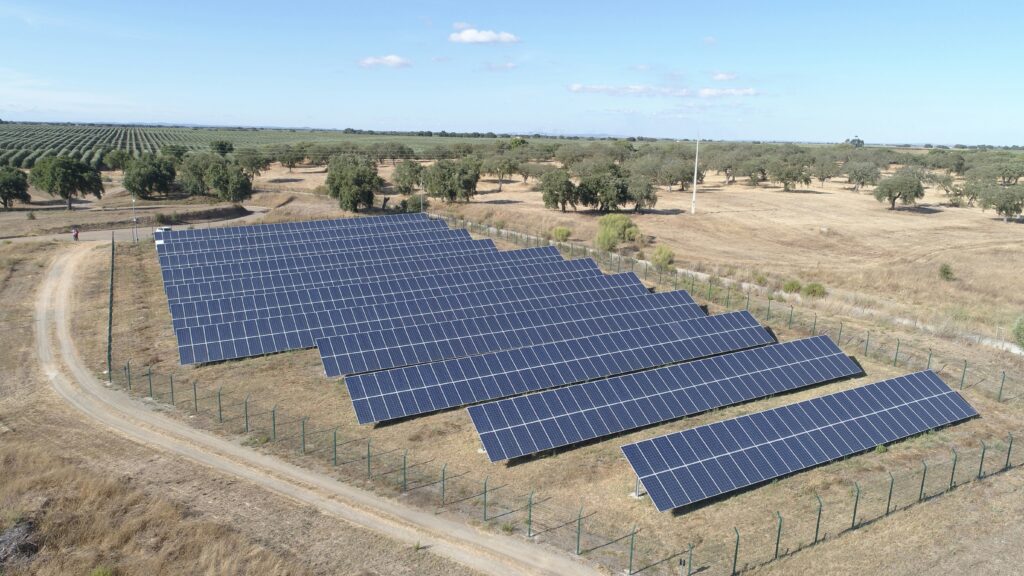
Rural electrification remains one of Cameroon’s most urgent development challenges. While cities like Douala and Yaoundé continue to grow, large parts of the Far North, East, South West, North West and Adamawa regions still lack reliable electricity. For many rural communities, connecting to the national grid is not only expensive but it is unlikely to happen in the near future.
What Are Solar Mini-Grids?
A solar mini-grid is an independent electricity system that generates, stores, and distributes power within a village or cluster of homes and businesses. It typically includes:
Solar PV panels
Battery storage system
Inverters and controllers
Smart metering and billing systems
A local distribution network
Instead of relying on long transmission lines, the community receives clean, reliable electricity generated right where it’s needed.
Why Solar Mini-Grids Are a Perfect Fit for Rural Cameroon
1. They Reach Areas the Grid Cannot
More than 40% of rural Cameroonians live too far from the national grid for feasible expansion.
Solar mini-grids bring electricity directly to the village without waiting for government grid extension.
2. Fast Deployment and Long-Term Savings
Mini-grids can be installed and operational within weeks/Months
Compared to diesel generators—which depend on expensive, unpredictable fuel—solar systems offer:
Lower operating costs
Minimal maintenance
No fuel dependency
Long-term energy security
3. Ideal for Cameroon’s Climate
With high solar irradiance across most regions, Cameroon offers excellent conditions for solar power generation year-round. Mini-grids take full advantage of this natural resource.
Powering Rural Health Clinics
Solar mini-grids provide constant electricity for:
Vaccine and medicine refrigeration
Lighting for nighttime births and emergencies
Diagnostic equipment (microscopes, ultrasound, sterilizers)
Medical record systems
Communication equipment for coordinated care
A reliable power supply can literally save lives.
Supporting Schools and Education
Schools powered by mini-grids can:
Use digital learning tools
Offer evening classes
Improve teacher retention
Provide a better, brighter learning environment
Electricity is a foundation for modern education.
Boosting Agriculture and Local Economies
Agriculture is the backbone of Cameroon’s rural economy. Solar mini-grids enable:
Solar-powered irrigation
Cold rooms to reduce post-harvest losses
Mills and processing equipment
Water pumping for livestock
Refrigeration for food products
This strengthens the entire agricultural value chain and increases local incomes.
Community Ownership and Local Capacity Building
For sustainable success, local people must be part of every stage—from planning to maintenance.
Successful mini-grid programs prioritize:
Training rural technicians
Establishing community energy committees
Transparent billing and payment systems
Local management and accountability
The result is a system that is both technically strong and socially sustainable.
Financing Solar Mini-Grids: New Opportunities
Mini-grids are increasingly supported by:
International development agencies
Public–private partnerships
Impact investors
Government rural electrification programs
Community cooperatives
With Germany’s strong involvement in renewable energy financing, high-quality mini-grid projects in Cameroon are more achievable than ever.
Solar mini-grids are catalysts for economic growth, social development, and environmental sustainability.
They empower communities, unlock opportunities, reduce poverty, and create new pathways for rural prosperity.
For Cameroon, the widespread adoption of mini-grids represents a major step toward national development goals and energy access for all.
As a Germany-based solar consultancy focused on Africa, we provide expert system design, feasibility studies, technical documentation, and training to ensure successful and long-lasting mini-grid projects across Cameroon and Africa.